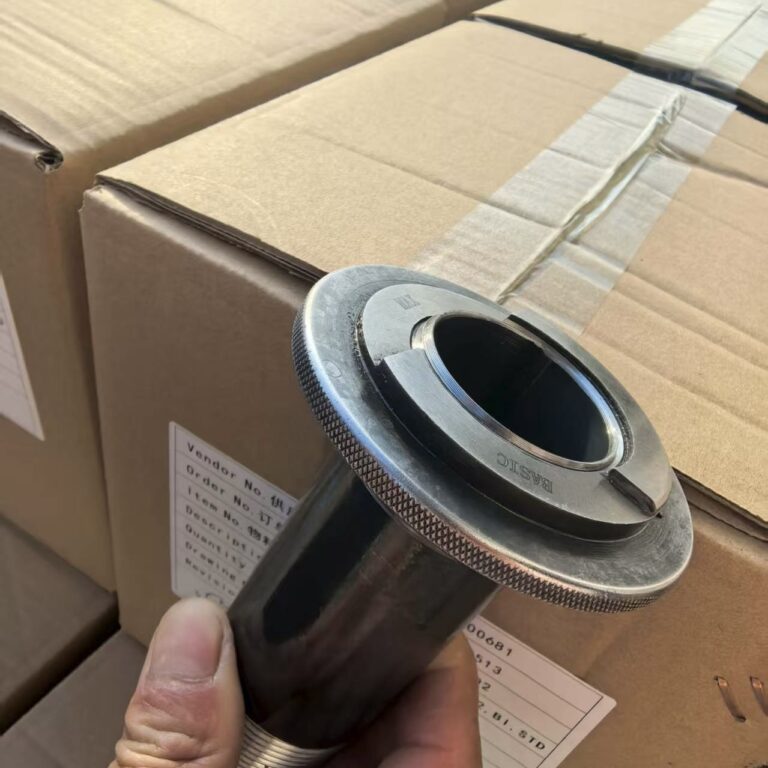
Seamless vs Welded Threaded Fittings: Pressure Ratings, Wall Thickness, and Cost
If you buy threaded fittings in bulk, you’ve probably heard this line before: “Seamless is stronger. Welded is cheaper.”
That line isn’t fully wrong. But it’s way too simple.
In real projects, buyers don’t lose sleep over labels alone. They worry about leaks at startup, thread mismatch, wall loss after threading, pressure class confusion, mixed batches, and claims that sound good on paper but fall apart on site. That’s where the real argument starts.
So let’s make this practical.
When you compare seamless threaded pipe fittings and welded threaded pipe fittings, you shouldn’t ask only which one is “better.” You should ask which one fits the job, the spec, the margin, and the risk. Pressure rating matters. Wall thickness matters. Cost matters too. But none of them live alone. They all tie back to the same thing: standard, material, thread quality, and manufacturing control. ASME B16.11 class ratings for threaded fittings are Class 2000, 3000, and 6000, and the rating basis is tied to equivalent pipe schedule and wall thickness, not just to a sales label. The standard also says the minimum wall calculation must consider pressure design, corrosion or erosion allowance, and thread depth.
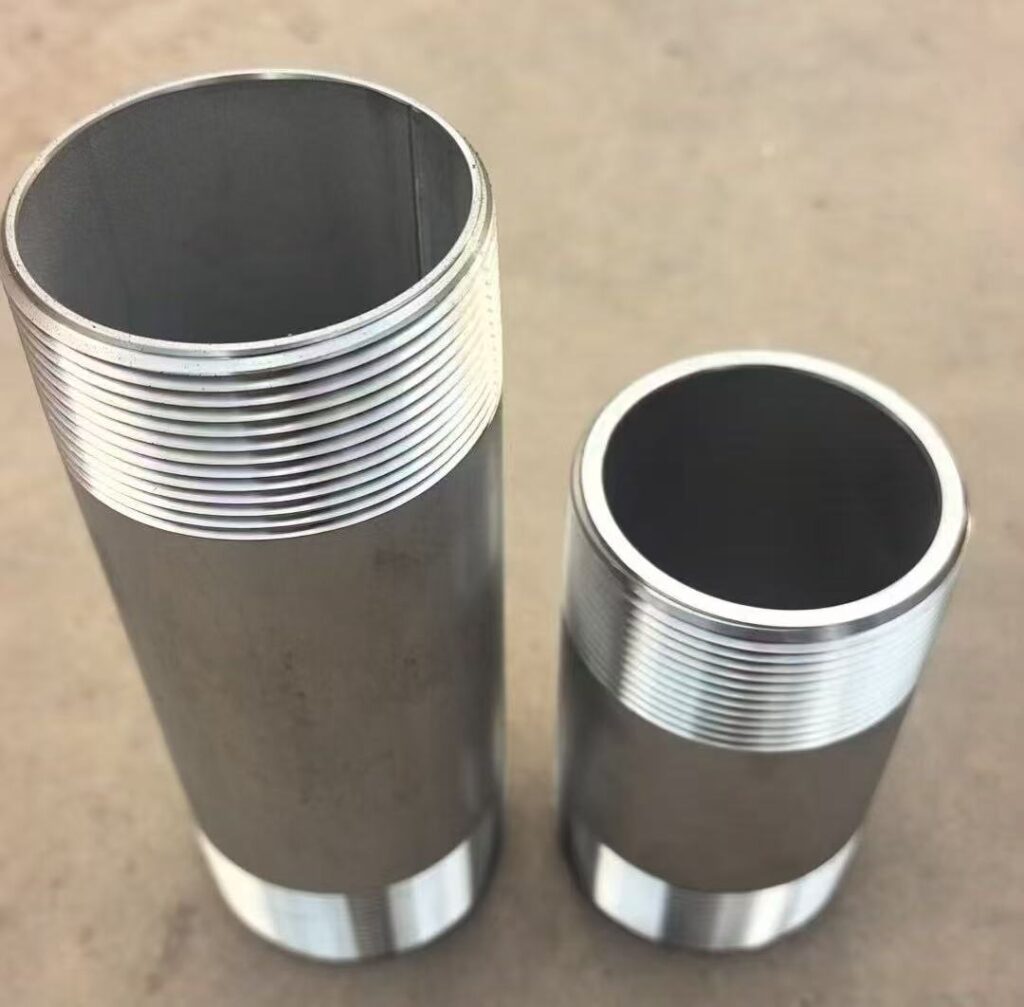
For buyers in construction, industrial machinery, distribution, and export, that point is big. Because a fitting can look heavy, feel heavy, and still become the weak spot once the thread cuts into the wall. That’s why good sourcing teams don’t just ask for “cheap elbows” or “high-pressure couplings.” They ask: What class? What material? NPT or BSPT? Seamless body or welded body? What’s the actual wall after threading?
Jingcheng Metal positions itself as a supplier focused on steel pipe nipples and threaded fittings, including Stainless Steel Pipe Nipples, Stainless Steel Fittings, Seamless Threaded Pipe Fittings, Welded Threaded Pipe Fittings, Galvanized Pipe Nipples, Threaded 90° Elbow, and other piping items. The site also states support for NPT/BSPT, common carbon steel and stainless grades, OEM/private label work, mixed shipments, and bulk supply for plumbing, fire protection, and industrial piping. That product mix matters here, because buyers often don’t purchase one item in isolation. They source a whole threaded package.
ASME B16.11 Pressure Ratings for Threaded Fittings
Here’s the first hard truth: pressure rating is not decided by “seamless” or “welded” alone.
ASME B16.11 sets threaded fittings in Class 2000, 3000, and 6000. More important, the standard says the rating basis ties back to the corresponding pipe schedule and equivalent seamless pipe wall for design purposes. In plain English, that means the fitting’s pressure story starts with class, material, and wall basis. Not marketing words.
Pressure rating table for threaded fittings
Topic What matters most Why buyers should care
Threaded fitting pressure class Class 2000 / 3000 / 6000 This is the first filter in RFQ review
Rating basis Pipe schedule and equivalent pipe wall It keeps selection tied to code logic
Service conditions Temperature, corrosion allowance, thread depth These can eat safety margin fast
Material match Carbon steel, stainless steel, equivalent mechanical properties A wrong material call can kill the spec
Thread standard NPT or BSPT Wrong thread means rework, leakage, delay
ASME B16.11 states that the minimum wall thickness calculation must include pressure design plus all applicable allowances, including erosion, corrosion, and thread depth for threaded pipe, and also account for typical manufacturing minus tolerance. That’s why two fittings that look similar on a carton list may not carry the same real-world confidence once installed.
This is also where many buyers get burned. They compare two quotes line by line, see the same nominal size, same material grade, and same thread type, then assume the parts are equal. But in the field, one batch seals clean. The other gives you thread galling, shallow engagement, or that annoying drip test fail that eats up labor. In the piping trade, that’s not just a product issue. That’s jobsite friction. And jobsite friction is expensive even when the unit price looked pretty nice.
Wall Thickness in Threaded Pipe Fittings
If pressure class is the headline, wall thickness is the fine print that decides whether the story ends well.
Threaded fittings lose wall when you cut the thread. That sounds obvious. Still, many buyers don’t treat it serious enough. ASME B16.11 is very clear here: wall calculations must consider thread depth and minus wall tolerance. MSS SP-97 follows the same logic for pressure-retaining fittings by saying allowable pressure is computed from straight seamless run pipe of equivalent material, with the wall thickness reduced by manufacturing tolerances and other allowances such as threaded allowances.
Why wall thickness is never just “how thick it looks”
Wall thickness issue What happens on site What smart buyers do
Thread cuts into the wall The pressure margin gets smaller Check class and effective wall, not just OD
Negative tolerance on pipe/fitting body Real wall can be below what you imagined Ask about inspection and dimensional control
Thin wall with aggressive media Corrosion plus threading can stack risk Move to stronger class or better material
Mixed batches from different sources Thread feel and wall consistency can drift Keep one approved vendor list
Wrong thread type Engagement depth changes, sealing gets messy Lock NPT or BSPT on PO and drawings
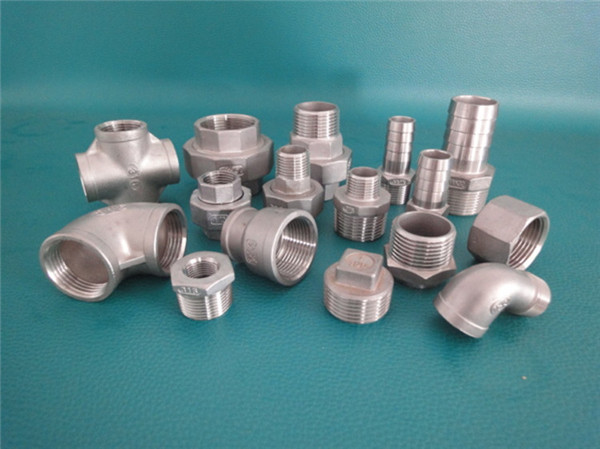
This is why seamless threaded fittings often get the nod for tougher service. Not because “seamless” is magic. But because buyers see one less variable in the pressure boundary. No weld seam to evaluate. No seam area to question. Fewer arguments during incoming inspection.
That said, welded threaded fittings are not automatically weak. That’s lazy talk. A well-made welded fitting can serve perfectly well in the right duty. The problem is when somebody uses it in a service window that really wanted more margin, then hopes the thread sealant will cover the difference. It won’t. Tape and dope are not a design method.
Seamless Threaded Pipe Fittings vs Welded Threaded Pipe Fittings
Now let’s get to the comparison people actually search for.
Seamless threaded pipe fittings
Seamless threaded fittings are usually chosen when the buyer wants better leak integrity, stronger confidence in the pressure boundary, and fewer quality debates in more demanding lines. Jingcheng Metal’s site describes its seamless threaded fittings as built for strength and leak integrity, which lines up with what many industrial buyers look for in gas lines, process piping, and tighter reliability work.
Typical reasons buyers lean seamless:
tougher pressure service
less tolerance for leak paths
rougher duty in industrial and gas systems
stricter customer approval or inspection flow
more concern about long-term stability than about shaving the last bit of price
Welded threaded pipe fittings

Welded threaded fittings usually win when the project is more sensitive to cost, stock availability, and commercial flexibility. Jingcheng Metal’s public product page presents welded threaded fittings as durable bodies with precise NPT/BSPT threads, which makes sense for buyers who still need dependable threaded connections but don’t need to overspec every line.
Typical reasons buyers go welded:
easier budget control
routine service where code and use case allow it
bigger volume purchasing where pennies become a serious number
distributor restocking and mixed-container buying
jobs where lead time and fill rate matter almost as much as spec
Seamless vs welded threaded fittings comparison table
Factor Seamless threaded fittings Welded threaded fittings
Pressure confidence Usually preferred for higher-integrity service Can work well in standard duty if made correctly
Wall continuity More straightforward to evaluate Needs tighter confidence in body quality and consistency
Buyer perception Higher trust in demanding jobs Better for price-driven or routine lines
Cost Usually higher Usually more budget-friendly
Sourcing use case Projects with tighter approval and lower leak tolerance Wholesale, stock supply, regular industrial demand
The clean way to say it is this: seamless buys more comfort; welded buys more room in the budget.
And that matters a lot for wholesalers, importers, and contractors. On many orders, the pain point isn’t only technical. It’s commercial. You need the right class, right thread, right packing, right markings, and stable repeat quality. Otherwise you spend your margin on sorting claims, replacing short-thread pieces, and explaining why batch A doesn’t match batch B.
Seamless vs Welded Threaded Fittings Cost
Let’s talk money without pretending price is the only thing in the room.
Yes, seamless usually costs more. Buyers already know that. But the smarter question is: What are you really paying for?
You’re often paying for:
more confidence in pressure-retaining performance
easier approval in sensitive service
less pushback from contractors or end users
fewer headaches over seam-related concerns
a cleaner story for high-spec export orders
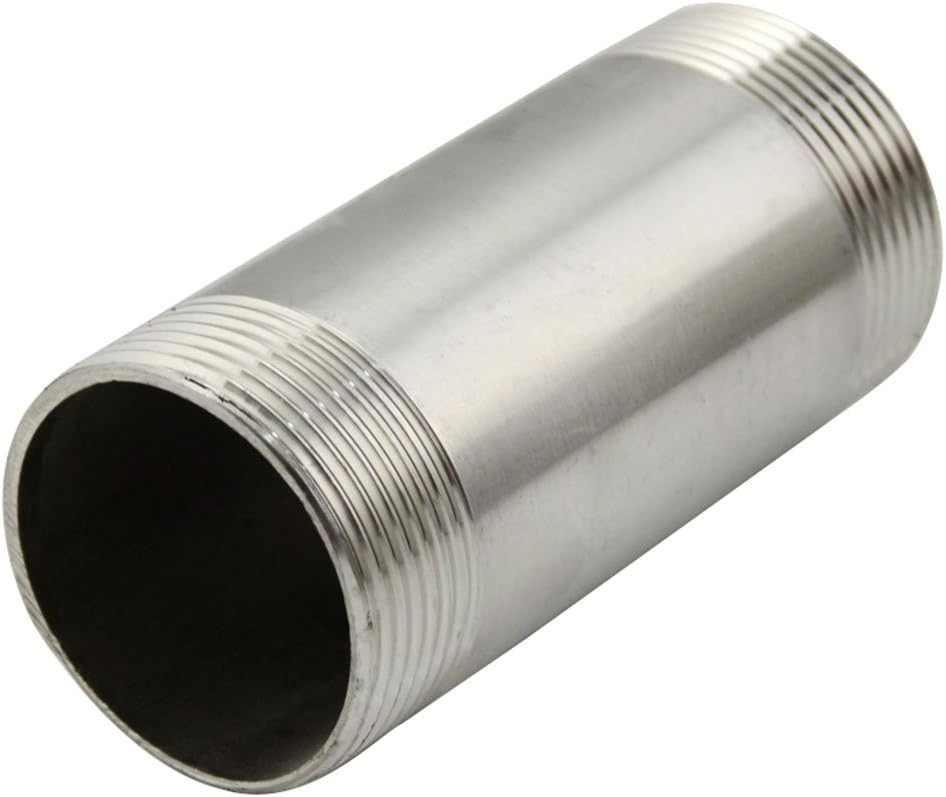
Welded fittings, on the other hand, can offer real value when the application doesn’t need extra insurance. That’s why they stay popular in broad industrial channels. If you’re supplying hardware stores, regional distributors, or project buyers with mixed demand, welded threaded fittings can make the offer more competitive and easier to scale.
Cost decision table for bulk buyers
Buying goal Better fit
Lowest landed cost pressure Welded threaded fittings
Higher acceptance in demanding projects Seamless threaded fittings
Trial orders and mixed pallets Often welded, depending on spec
OEM/private label with broader SKU spread Depends on target market and certification need
Fewer technical objections from strict customers Often seamless
This is also where GuoCao fits naturally into the conversation. Buyers don’t just need a part. They need a supplier side that understands the whole chain: spec lock, thread standard lock, batch consistency, OEM marking, export packing, and mixed-SKU coordination. That’s the real commercial value. When GuoCao supports a threaded fitting program, the point isn’t only to ship elbows and nipples. The point is to help buyers avoid dead stock, avoid spec drift, and avoid the kind of after-sales mess that kills repeat orders.
Stainless Steel Pipe Nipples and Stainless Steel Fittings for Corrosion Service
There’s one more angle many buyers miss when they compare seamless and welded threaded fittings: material can shift the decision.
Jingcheng Metal’s site highlights 304/316 stainless steel pipe nipples and stainless fittings for scenes that need corrosion resistance and cleanliness, such as food-related and chemical service. It also lists stainless steel pipe nipples as available with precise NPT/BSPT threading.
So if the line faces moisture, chemical washdown, or a cleaner operating environment, the argument may stop being only seamless vs welded. It becomes:
carbon steel or stainless
black, galvanized, or stainless
threaded only or part of a broader fitting package
stock item or OEM/ODM build
That matters for your content strategy too. A buyer searching seamless threaded pipe fittings may also need stainless steel pipe nipples, threaded 90° elbows, or stainless steel fittings in the same order. Good article structure should guide them there naturally, not force it.
How Bulk Buyers Actually Make the Final Choice
Most real buyers use a decision flow that looks more like this:
Check code or customer requirement
Confirm pressure class and material
Review thread type and dimensional control
Decide how much risk margin the job needs
Balance that against budget and lead time
That’s why the best sales conversation is never “Seamless is best, trust me.”
It’s more like: Tell us the pressure class, medium, thread standard, order volume, and target market. Then we’ll match the fitting route that won’t bite you later.
Jingcheng Metal says it supports custom pipe nipples, OEM/private label, flexible MOQ, mixed shipments, and bulk supply, with applications across fire protection, plumbing, and industrial piping. For the buyers you target, that one-stop supply angle is not fluff. It solves a real problem. One vendor that can cover nipples, elbows, threaded fittings, and stainless options makes procurement a lot less messy.
Final Thoughts on Seamless vs Welded Threaded Fittings
So, which one should you choose?
If the line is more critical, the pressure margin is tighter, or the customer is picky in a good way, seamless threaded fittings usually make more sense.
If the duty is more routine, the budget is tighter, and you still need dependable threaded connections at scale, welded threaded fittings can be the smarter buy.
The key point is simple:
don’t compare bodies only. Compare class, wall, thread, material, inspection, and downstream risk.
That’s how experienced buyers do it.
And honestly, that’s how you keep a “good price” from turning into a bad shipment.
If your market needs Stainless Steel Pipe Nipples, Seamless Threaded Pipe Fittings, Welded Threaded Pipe Fittings, Threaded 90° Elbow, or OEM/ODM threaded products, the better play is to source from a supplier that can speak both spec language and wholesale language. That means stable threads, clean tolerances, batch control, bulk support, and no funny business when the container lands.
Because in this trade, the fitting is small.
The cost of choosing the wrong one is not small at all.